


Home Products Printers & accessories Label printer Print engine Sato LT408
Sato LT408
Print engine
Compact print & apply engine
The Sato LT408 is a compact built-in printer for automated print & apply systems with low to medium volumes.
Dual thermal print technology
Supports both direct thermal and thermal transfer for flexible label production in diverse applications.
User-friendly LCD interface
Large LCD with icons simplifies operation and maintenance, including quick printhead replacement.
Product information
The Sato LT408 is a robust print engine for integration into print & apply systems, suitable for low to medium print volumes in manufacturing, logistics, and packaging. With 203 dpi (8 dots/mm) resolution and maximum speed of 6 ips (150 mm/s), it produces sharp barcodes and text up to 104 mm width and 1249 mm length. The printer supports both direct thermal and thermal transfer printing, with sensors for reflection (black mark) and transmission (gap for die-cut labels).
The LT408 offers standard USB 2.0 and RS232C, with options for Ethernet, Wireless LAN, and parallel interfaces, plus emulations such as SBPL, SZPL, and SIPL for easy system integration. With 4 MB Flash ROM, 16 MB SDRAM, and a 32-bit RISC processor, it efficiently stores formats and graphics, including rotation (0-270 degrees) and sequential numbering. The front-loading media path and tool-less printhead replacement minimize downtime, while the LCD interface with icons enables quick diagnostics and setup. Compact (330x271x270 mm, 9.7 kg) and reliable for continuous operation in industrial environments.
Show more
Specifications
Print technology: Direct thermal and thermal transfer.
Print resolution: 203 dpi (8 dots/mm).
Maximum print width: 104 mm (4.09 inch).
Maximum print speed: 6 ips (150 mm/s).
Maximum print length: 1249 mm (49.2 inch).
Memory: 4 MB Flash ROM, 16 MB SDRAM.
Processor: 32-bit RISC.
Media types: Die-cut labels (gap), continuous, roll; width 10–112 mm, thickness 0.08–0.26 mm.
Ribbon specifications: Width 25–111 mm, length up to 450 m.
Sensors: Reflective (black mark), adjustable see-through (gap).
Interfaces: USB 2.0, RS232C; optional Ethernet, Wireless LAN, RS422/485, parallel.
Operation: LCD display (128×64 dots) with icons.
Dimensions: 330 x 271 x 270 mm; weight 9.7 kg.
.
Downloads
Frequently asked questions
Coding and labeling are our core business. We have 5,000 customers in widely varying sectors: from the local cheese shop to the multinational.
For which applications is the Sato LT408 intended?
The LT408 is a print engine for integration into print & apply systems, suitable for low to medium volumes in manufacturing and logistics.
What print methods does the Sato LT408 support?
The printer supports both direct thermal and thermal transfer printing for various label materials and durability requirements.
What are the maximum print speed and resolution of the LT408?
203 dpi resolution with up to 6 ips (150 mm/s) speed for reliable barcode production.
What interfaces does the Sato LT408 offer?
Standard USB 2.0 and RS232C, with options for Ethernet, Wireless LAN, and parallel for system integration.
Others also viewed
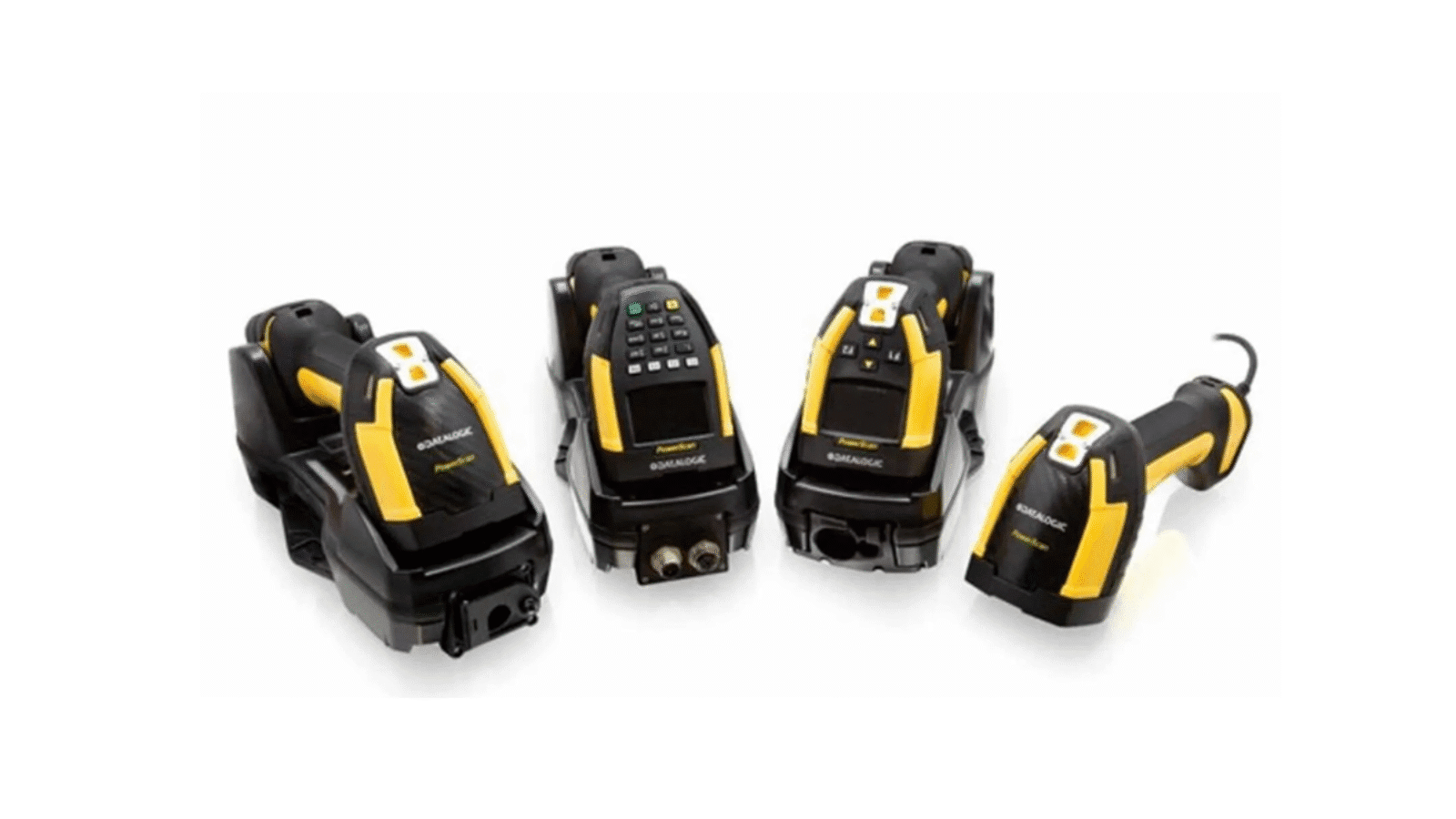
Datalogic PowerScan 9100
Green Spot confirmation
Three green LEDs project direct scan confirmation on the code and scanner.
Rugged industrial build
Designed for harsh conditions with high scan volume.
Multiple wireless options
Bluetooth PBT9100 or STAR Cordless PM9100 up to 150m range.
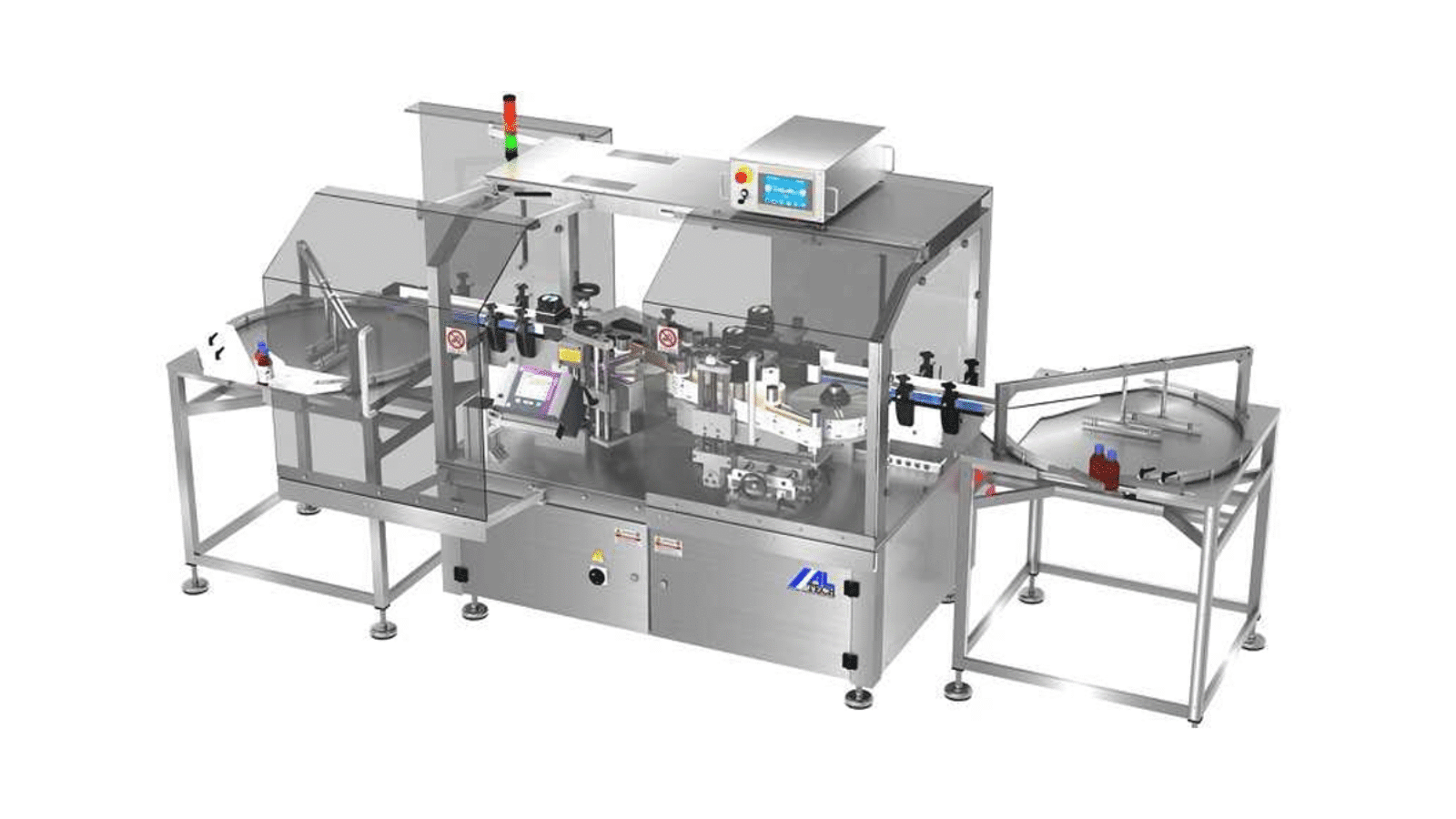
ALtech ALpharma
Pharma-specific design
Specially engineered for precise labeling in the pharmaceutical industry.
Tamper-evident labels
Supports folding of angle labels along box flaps for product security sealing.
Integrated quality control
Includes sensors and reject system for non-labeled products.
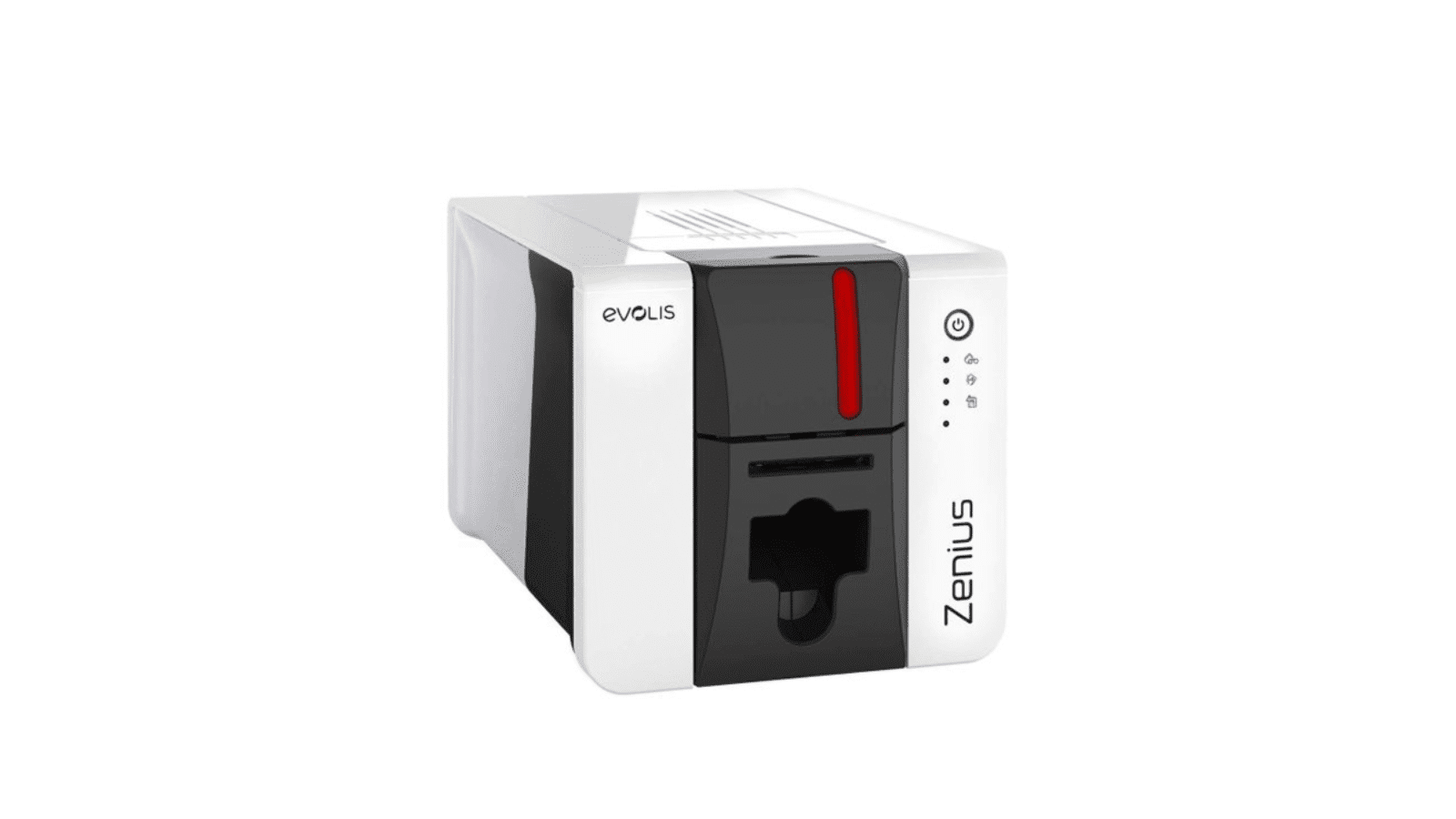
Evolis Zenius 2
Compact and quiet design
Compact single-sided printer with low noise level of 46 dB for use at counters or desks.
High monochrome speed
Up to 700 cards per hour in black and white with 300 x 1200 dpi resolution for efficient production.
Rewrite technology standard
Direct reprogramming of rewritable cards without print ribbon for cost-effective reuse.